We have compiled a list of manufacturers, distributors, product information, reference prices, and rankings for Wastewater Treatment Facilities.
ipros is IPROS GMS ・ IPROS One of the largest technical database sites in Japan that collects information on.

Wastewater Treatment Facilities(cod) - List of Manufacturers, Suppliers, Companies and Products | IPROS GMS

Last Updated: Aggregation Period:Oct 21, 2026~Nov 17, 2026
This ranking is based on the number of page views on our site.

Wastewater Treatment Facilities Product List

1~9 item / All 9 items

Displayed results

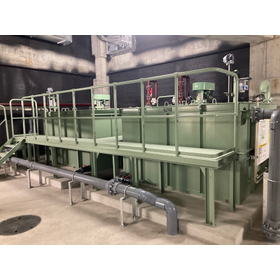
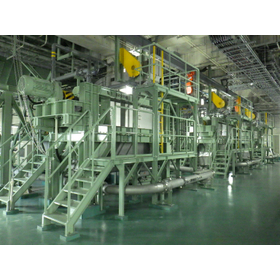
Wastewater treatment equipment for food factories

Considering initial costs and running costs with specialized knowledge and know-how! We propose an optimal processing system.

We would like to introduce Nichimou Corporation's "Wastewater Treatment Equipment." For food factories with a wastewater volume exceeding 50 tons, installation is mandatory. However, wastewater from the food manufacturing industry generally has a high COD concentration and contains oil, requiring specialized knowledge and expertise for the construction of wastewater treatment facilities. Utilizing our specialized knowledge and expertise, we propose suitable treatment systems that take into account both initial costs and running costs. 【Examples of Equipment】 ■ High-efficiency wastewater treatment system for food factories ■ Oil-containing wastewater treatment system for food factories *For more details, please refer to the PDF materials or feel free to contact us.

  • Wastewater/wastewater treatment equipment
  • Wastewater Treatment Facilities

Added to bookmarks

Bookmarks list

Bookmark has been removed

Bookmarks list

You can't add any more bookmarks

By registering as a member, you can increase the number of bookmarks you can save and organize them with labels.

Free membership registration

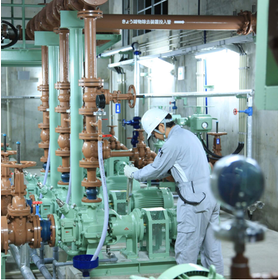
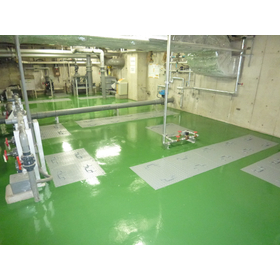
KEE's wastewater treatment equipment for beverage manufacturing: 'Food Factory Systems'

Are you having trouble with wastewater treatment and reuse at your beverage manufacturing plant? Please consult us about COD reduction as well.

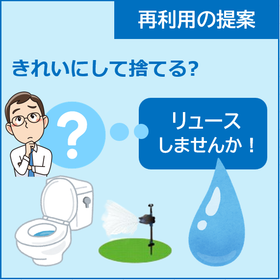
In the beverage manufacturing industry, proper treatment of wastewater is required to maintain product quality and comply with environmental regulations. In particular, wastewater containing a high concentration of organic matter tends to have a high BOD (Biochemical Oxygen Demand), necessitating advanced treatment to meet discharge standards. Additionally, with the increasing emphasis on the effective use of water resources, the reuse of wastewater (treated as gray water) is also gaining attention. Our company, KEE, addresses these challenges with stable treatment capabilities and expertise in wastewater reuse. 【Usage Scenarios】 - Treatment of wastewater with high concentrations of organic matter generated during the manufacturing process - Compliance with discharge standards (COD, BOD, SS, etc.) - Effective use of water resources through wastewater reuse (gray water treatment) - Consideration of equipment upgrades and energy-saving measures 【Benefits of Implementation】 - Reliable compliance with environmental regulations - Cost reduction through effective use of water resources - Smooth operations due to stable wastewater treatment - Contribution to reducing environmental impact

  • 画像102.png
  • 画像103.png
  • 画像104.png
  • 画像105.png
  • 画像106.png
  • 画像107.png
  • 画像108.png
  • 画像109.png
  • Wastewater/wastewater treatment equipment
  • Oil-water separator
  • Other water treatment equipment
  • Wastewater Treatment Facilities

Added to bookmarks

Bookmarks list

Bookmark has been removed

Bookmarks list

You can't add any more bookmarks

By registering as a member, you can increase the number of bookmarks you can save and organize them with labels.

Free membership registration

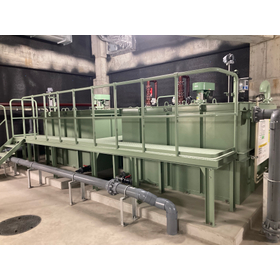
Drainage treatment facility

The basics of wastewater treatment are biological, physical, and chemical processes! We will provide suggestions based on half a century of experience!

Shou Technos Co., Ltd. has been conducting research and development as a pioneer in wastewater treatment equipment and has been providing facilities with its unique technology up to the present. From wastewater treatment equipment that meets BOD levels below 600 ppm to advanced treatment required for total quantity regulation areas, including regulations on COD, nitrogen, and phosphorus, we offer excellent wastewater treatment facilities utilizing our extensive experience and know-how. 【Maintenance Services】 ■ MLSS Measurement ■ Equipment Management ■ Sludge Management ■ Water Quality Management *For more details, please download the PDF or feel free to contact us.

  • Other water treatment equipment
  • Wastewater Treatment Facilities

Added to bookmarks

Bookmarks list

Bookmark has been removed

Bookmarks list

You can't add any more bookmarks

By registering as a member, you can increase the number of bookmarks you can save and organize them with labels.

Free membership registration

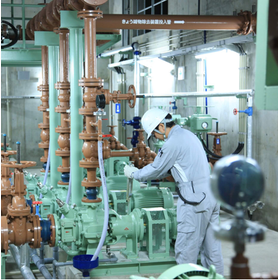
∞ Chemistry, Materials, and Petrochemical Industry ∞【Reuse of wastewater and reduction of water resources】

Would you like to challenge the reuse of wastewater, effective use of wastewater, and reduction of water resources together with our company?

In the fields of chemistry, materials, and petrochemical industries, advanced treatment and effective utilization of water resources are required for large volumes of wastewater containing diverse chemical substances and organic materials. In particular, responding to fluctuations in water quality and quantity, ensuring stable operation of water treatment processes, and improving thorough water conservation and recycling rates have become important challenges. Our company, KEE, proposes systems that address the specific water quality of chemical plants based on years of experience and extensive know-how, supporting sustainable factory operations. 【Application Scenarios】 * Advanced treatment of wastewater containing diverse chemical substances and organic pollutants * Responding to fluctuations in water quantity and quality load (COD, BOD, etc.) due to changes in manufacturing processes * Stabilization of advanced treatment processes (biological treatment, coagulation and sedimentation, activated carbon adsorption, etc.) * Advanced reuse of wastewater utilizing RO membranes (reverse osmosis membranes) and UF membranes (ultrafiltration membranes) for conversion to industrial water and boiler feed water 【Benefits of Implementation】 * Ensured compliance with strict wastewater standards and reduction of environmental impact * Reduction in the amount of industrial water intake and effective utilization of water resources through advanced reuse of wastewater * Comprehensive reduction of running costs (electricity usage, chemical costs, sludge disposal costs) * Achievement of stable continuous operation in fluctuating plant wastewater

  • 画像102.png
  • 002.JPG
  • 005.JPG
  • 001.jpeg
  • 画像106.png
  • 画像108.png
  • Wastewater/wastewater treatment equipment
  • Water treatment equipment
  • Filtration Equipment
  • Wastewater Treatment Facilities

Added to bookmarks

Bookmarks list

Bookmark has been removed

Bookmarks list

You can't add any more bookmarks

By registering as a member, you can increase the number of bookmarks you can save and organize them with labels.

Free membership registration

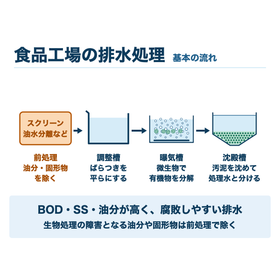
What is wastewater treatment in food factories? Fats and high-concentration organic matter [Basic Knowledge]

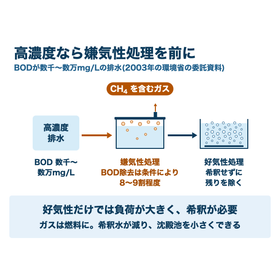
The wastewater from food factories varies significantly in water quality depending on the product. This explains the key points of treatment, including pretreatment for oils and solids, anaerobic treatment for high-concentration wastewater, and issues related to phosphorus deficiency.

The wastewater from food factories varies in characteristics and quantity depending on the type of product and manufacturing method. A common feature among many food factories is that they have high levels of BOD, SS, and oil content, are prone to decay, and easily produce foul odors due to acid fermentation. The main water quality pollutants include BOD, COD, nitrogen, and phosphorus. In most cases, biological treatment using the action of microorganisms is employed for treatment. ■ What is the BOD level? The range of BOD in wastewater varies by product as follows: 1. Dairy products, etc.: 50–350 mg/L 2. Beer: 500–2000 mg/L 3. Raw bean paste: 500–4000 mg/L 4. Whiskey, shochu, etc.: 600–92000 mg/L Even within the same food factory, there can be significant differences depending on the product. ■ Some factories have varying wastewater depending on the season In factories such as prepared foods and beverages, the products and production volumes may change with the seasons, leading to significant changes in the characteristics and quantity of wastewater. There are also factories, like those producing starch or many sake breweries, that only discharge wastewater for a limited period each year. Please feel free to consult with us first.

  • 092_main.png
  • 092_sub.png
  • Wastewater treatment equipment, technology and maintenance
  • Oil-water separator
  • Wastewater/wastewater treatment equipment
  • Wastewater Treatment Facilities

Added to bookmarks

Bookmarks list

Bookmark has been removed

Bookmarks list

You can't add any more bookmarks

By registering as a member, you can increase the number of bookmarks you can save and organize them with labels.

Free membership registration

∞ Food, Food Manufacturing, Food Production ∞【Reuse of wastewater, Water resource reduction】

Contribute to the reuse, effective utilization, and reduction of water resources in food processing wastewater.

In the food processing industry, diverse wastewater treatment and effective utilization of water resources are required, including the treatment of cleaning wastewater. In particular, responding to fluctuations in water quality and quantity, ensuring stable operation of treatment processes, and improving water conservation and recycling rates are important challenges. Our company, KEE, proposes systems that address the specific water quality of food plants based on years of experience and know-how, supporting sustainable factory operations. 【Usage Scenarios】 * Advanced treatment of wastewater generated from food processing processes, such as cleaning wastewater * Responding to fluctuations in water quantity and quality load due to changes in manufacturing lines * Stabilization of the wastewater treatment process * Advanced reuse of wastewater utilizing RO membranes (reverse osmosis membranes) and UF membranes (ultrafiltration membranes) for conversion to industrial water, etc. 【Benefits of Implementation】 * Compliance with strict wastewater standards and reduction of environmental impact * Reduction in the amount of industrial water intake and effective utilization of water resources through advanced reuse of wastewater * Comprehensive reduction of running costs (electricity usage, chemical costs, sludge disposal costs) * Achieving stable continuous operation in fluctuating plant wastewater conditions

  • 画像102.png
  • 002.JPG
  • 005.JPG
  • 001.jpeg
  • 画像106.png
  • 画像108.png
  • Wastewater/wastewater treatment equipment
  • Water treatment equipment
  • Filtration Equipment
  • Wastewater Treatment Facilities

Added to bookmarks

Bookmarks list

Bookmark has been removed

Bookmarks list

You can't add any more bookmarks

By registering as a member, you can increase the number of bookmarks you can save and organize them with labels.

Free membership registration

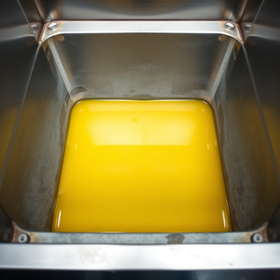
COD removal agent "Super Bio RCOD"

The decolorization and clarity of the treated water have also improved! It is effective in removing natural polysaccharides such as pectin.

"Super Bio RCOD" is a reagent aimed at the removal of refractory soluble organic components in wastewater. In particular, it is effective in reducing COD components in wastewater, while also improving the decolorization and clarity of the treated water. Additionally, it is effective in removing natural polysaccharides such as pectin found in vegetables and fruits, which are considered difficult to treat. Being a low-viscosity liquid, it allows for direct injection of the concentrated solution and can be controlled by adjusting the pump injection amount in response to load fluctuations. 【Features】 ■ Effective in reducing COD components in wastewater ■ Improves decolorization and clarity of treated water ■ Effective in removing natural polysaccharides such as pectin found in vegetables and fruits ■ Allows for direct injection of the concentrated solution due to its low viscosity ■ Can be controlled by adjusting the pump injection amount in response to load fluctuations *For more details, please refer to the PDF document or feel free to contact us.

  • Other consumables
  • Oil-water separator
  • Wastewater Treatment Facilities

Added to bookmarks

Bookmarks list

Bookmark has been removed

Bookmarks list

You can't add any more bookmarks

By registering as a member, you can increase the number of bookmarks you can save and organize them with labels.

Free membership registration

[Case Study of Alcy Method] Line Cleaning Wastewater

Introducing a case study of the Alcy method adopted by a food manufacturer!

We would like to introduce a case study of a food manufacturer that has adopted the technology of Japan Alcy. There were issues where the quality of raw water and treated water became almost the same, leading to improvement orders from the authorities. To address the issues of site and investment amounts, we proposed the introduction of Bio Alcy through a management contract. As a result, the quality of treated water was cleared. Additionally, it became possible to introduce equipment while keeping initial investment costs down. 【Overview】 ■ Client: Food Manufacturer ■ Type of wastewater: Line cleaning wastewater ■ Volume of wastewater: 1,100t/month ■ Quality of raw water: BOD 5,000mg/L, COD 3,000mg/L, n-Hex 500mg/L *For more details, please refer to the PDF document or feel free to contact us.

  • Water treatment equipment
  • Wastewater/wastewater treatment equipment
  • Other water treatment equipment
  • Wastewater Treatment Facilities

Added to bookmarks

Bookmarks list

Bookmark has been removed

Bookmarks list

You can't add any more bookmarks

By registering as a member, you can increase the number of bookmarks you can save and organize them with labels.

Free membership registration

[Case Study of Alcy Method] Electrodeposition Coating Wastewater

Introducing a case study of the implementation of the Alcy method adopted by an automotive parts manufacturer!

We would like to introduce a case study of an automotive parts manufacturer that has adopted the technology of Japan Alcy. There were issues such as frequent floating sludge in the biological treatment tank due to unstable coagulation treatment. To stabilize the treatment, we proposed to classify the raw water into two systems: biological wastewater requiring BOD removal and inorganic wastewater not requiring BOD removal, and to change the flow for processing each accordingly. As a result, we were able to minimize fluctuations in raw water, stabilize the coagulation state, and process the wastewater without using the sludge settling agent that was previously used in biological treatment. 【Overview】 ■ Client: Automotive parts manufacturer ■ Type of wastewater: Electrodeposition painting wastewater ■ Volume of wastewater: 880t/month ■ Quality of raw water: BOD 50mg/L, COD 200mg/L, Zinc 10mg/L *For more details, please refer to the PDF document or feel free to contact us.

  • Water treatment equipment
  • Wastewater/wastewater treatment equipment
  • Other water treatment equipment
  • Wastewater Treatment Facilities

Added to bookmarks

Bookmarks list

Bookmark has been removed

Bookmarks list

You can't add any more bookmarks

By registering as a member, you can increase the number of bookmarks you can save and organize them with labels.

Free membership registration